How Much Does It Cost to Rewire a House? Your Complete Guide
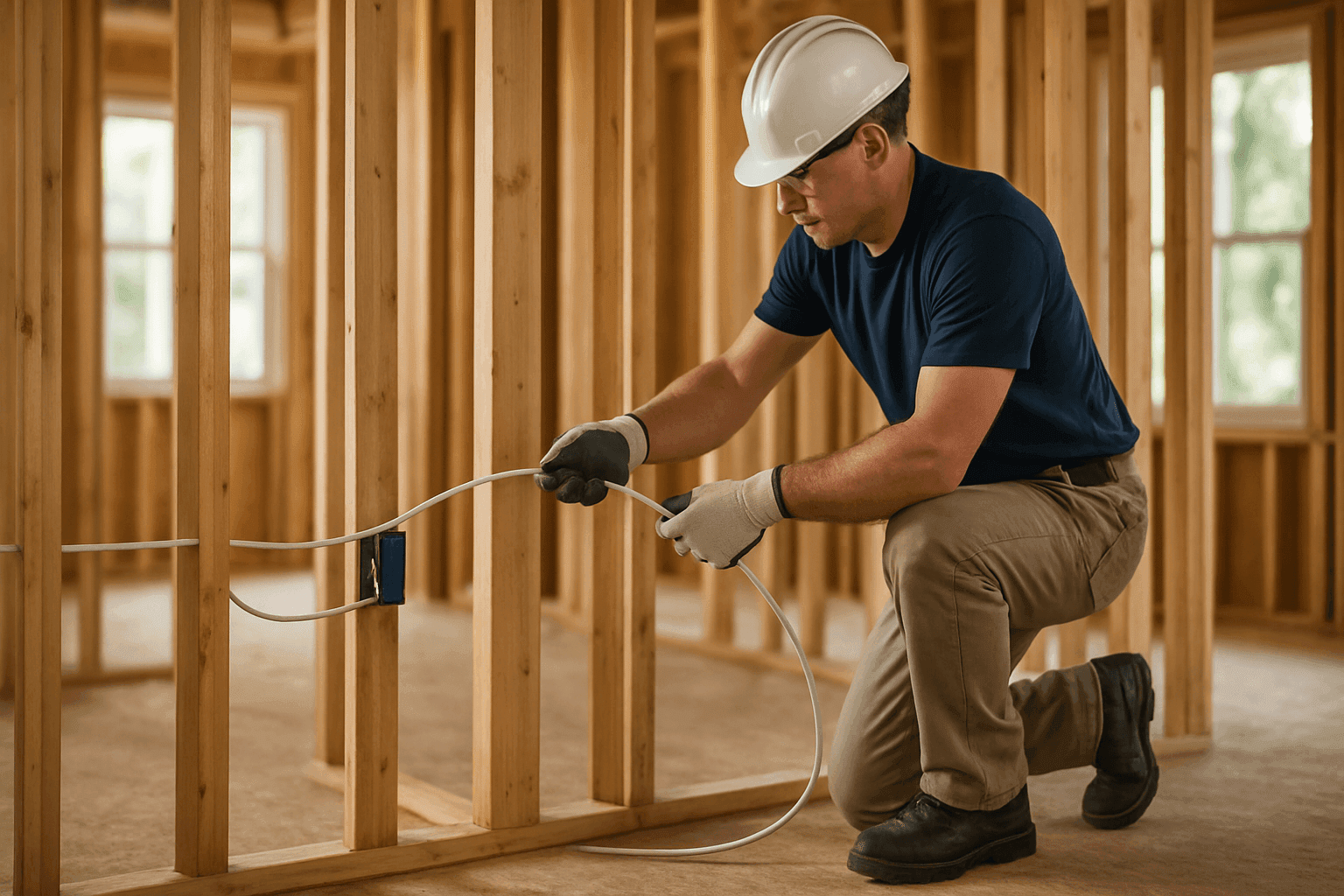
Is your home’s wiring a ticking time bomb? If you’re unsure, you’re not alone. Many homeowners wait until a light flickers, a breaker trips, or a burning smell creeps in—then panic sets in. At Nancy Spiller Electrical, we know how overwhelming electrical problems can feel. But we also know: A safe, reliable electrical system is the backbone of a happy, worry-free home.
If you’re considering a major upgrade or just want peace of mind, understanding the real cost—and value—of rewiring is step one. Let’s break down what matters, what to watch for, and how to plan for a safe, modern future.
Why and When Does a House Need Rewiring?
Wiring is like the veins of your home—quiet, hidden, but vital. Over time, just like old plumbing, wires wear out. Insulation cracks. Materials corrode. And just because “the lights work” doesn’t mean things are safe.
So, why rewire?
- Aging wires: Homes built before the 1980s may use outdated or unsafe wiring (think knob-and-tube, cloth-insulated, or aluminum wires).
- Safety: Older wires can overheat, spark, or short-circuit. Fire risk is real.
- Upgrades: Adding backup generators, EV chargers, or modern appliances? Old wiring may not handle new loads.
- Code compliance: Electrical codes change. What was safe 40 years ago may now be a hazard.
- Insurance: Some insurers refuse to cover homes with certain types of wiring.
Rewiring isn’t just for “old” houses, either. If your home’s electrical system wasn’t designed for today’s tech-heavy lifestyles, it can become a bottleneck—or a danger.
Quick Safety Checklist ⚡
Wondering if it’s time to call an electrician? Watch for these warning signs:
- Fuses blow or breakers trip frequently
- Lights dim, flicker, or buzz when appliances run
- Outlets feel warm, or you see burn marks
- You notice a persistent burning smell or see sparks
- Switches or outlets are loose, cracked, or “dead”
- You have two-prong (ungrounded) outlets throughout the house
- Aluminum wiring (common in 1960s-70s homes)
- Extension cords everywhere, because outlets are too few
- Shock or tingling when touching appliances
If any of these ring true, don’t wait. Electrical problems rarely fix themselves—and the risk isn’t worth it.
DIY vs. Call a Pro
Rewiring a house isn’t like painting a room or changing a faucet. It’s more like heart surgery for your home. Not only is it dangerous, but it also requires permits, inspections, and a deep understanding of current electrical codes (reference: National Electrical Code, NFPA 70).
DIY rewiring can lead to:
- Hidden fire hazards behind walls
- Failed inspections, fines, or insurance issues
- Shocks, injuries—or worse
A licensed electrician brings knowledge, experience, and safety gear. They also know how to work with local inspectors and secure the right permits.
What Pros Do On Arrival
When you call Nancy Spiller Electrical, here’s what happens:
- Assessment: We inspect your current wiring, outlets, panels, and grounding.
- Load calculations: We make sure your system can handle today’s demands—think EV chargers, backup generators near you, home automation, and more.
- Permitting: We handle the paperwork and schedule required inspections.
- Material selection: We use code-approved wires, outlets, and protective devices.
- System upgrades: New breakers, safety switches, surge protection, smoke and carbon monoxide detectors, as needed.
- Careful installation: We remove old wiring, run new lines, and minimize wall damage wherever possible.
- Testing: Every connection is checked for safety and performance.
- Final inspection: Local authorities sign off before the job is complete.
Prevention & Maintenance Tips
Don’t wait for disaster. Once rewired, keep your home’s system healthy:
- Schedule electrical safety inspections every 3–5 years.
- Upgrade outlets to include GFCI/AFCI protection, especially in kitchens, baths, and garages.
- Avoid overloading circuits—spread out appliances.
- Replace old or damaged extension cords.
- Keep backup generators, smoke alarms, and surge protection maintained and tested.
The National Fire Protection Association (NFPA) and your local building department offer additional guidance on safe electrical practices.
What Impacts the Cost of Rewiring?
Here’s the heart of the matter: How much does it cost to rewire a house? The answer isn’t simple. It’s like asking, “How much does it cost to fix a car?”—it depends on many moving parts.
Key Cost Factors
- Home size and layout: Bigger homes have more wires, outlets, and complexity. Multi-story homes usually cost more.
- Wiring type: Upgrading to copper from aluminum, adding low-voltage systems, or integrating smart home features changes the bill.
- Accessibility: If your walls are open (during renovations), rewiring is easier and cheaper. Finished homes require more work to fish wires through walls and ceilings.
- Code updates: Bringing your system up to today’s standards may mean new panels, breakers, or added circuits.
- Materials: Quality matters. From tamper-resistant outlets to arc-fault breakers, better materials cost more upfront but last longer.
- Regional labor rates: Costs vary by location and local demand for electricians.
- Permits and inspections: Required by law, their costs depend on your municipality.
What’s Included
A professional rewiring job should always include:
- Full material and labor breakdown
- All required permits
- Coordination with local inspectors
- Removal of old, unsafe wiring
- Installation of new outlets, switches, and fixtures
- Testing and safety checks
- Cleanup and patching of access holes
Avoid “cheap” bids that skip steps or use substandard parts. Electrical shortcuts can be dangerous—and, in the long run, much more expensive.
Typical Cost Ranges & Timeframes
For a standard 3-bedroom, 2-bath home, complete rewiring can range from $8,000 to $20,000 or more, depending on the factors above.
- Smaller homes or condos: $5,000–$10,000
- Larger or complex homes: $15,000–$30,000+
Timeframes can range from a few days (for a small house with easy access) to several weeks (for larger homes or those with lots of finished surfaces). Always budget extra time for permitting and inspections.
Remember: These are general ranges. Only a licensed electrician can give you a precise quote after a site visit.
When It’s an Emergency 🚨
Some electrical issues can’t wait. If you notice:
- Burning smells, especially near outlets or switches
- Smoke or sparks from outlets
- Repeated breaker trips with no clear cause
- Loss of power to parts of your home
Turn off the main breaker if it’s safe—and call for emergency service. Electrical fires move fast. It’s better to lose power for a night than risk your home.
FAQ: Home Rewiring
Q: Can I just replace outlets and switches, or do I need a full rewire?
A: Sometimes, updating outlets helps. But if the wires themselves are old, brittle, or unsafe, replacing fixtures won’t fix the underlying risk.
Q: Will I have to move out during rewiring?
A: Not always. Many families stay home, though you may lose power in parts of the house for a day or two. We’ll coordinate to minimize disruption.
Q: Does rewiring improve resale value?
A: Yes. A modern, code-compliant electrical system is a major plus for buyers—and may lower insurance rates.
Q: How do I know if my home has aluminum wiring?
A: Look for visible wires in the attic, basement, or panel labeled “AL” or “aluminum.” An electrician can confirm and recommend safe upgrades.
Local and Seasonal Considerations
- Climate: In humid regions, older wires may corrode faster. Basements and crawlspaces are often the first to show trouble.
- Storm season: Consider adding surge protection and backup generators near you if your area is prone to outages.
- Historic homes: Older houses may require special care to meet both safety and preservation needs.
- Permitting: Local rules vary. Some areas have stricter codes or require more inspections, impacting timelines and costs.
The Bottom Line: Safety First
Rewiring isn’t just a chore—it’s an investment in your family’s safety and comfort. Delaying can mean higher risks and costs down the road. Modern wiring supports today’s appliances, backup generators, EV chargers, and smart home features. It’s peace of mind, every time you flip a switch.
Ready for a safer, more reliable home?
Call Nancy Spiller Electrical now — or reach us anytime at 888-896-1684 .