How to Choose the Right Backup Generator for Your Home
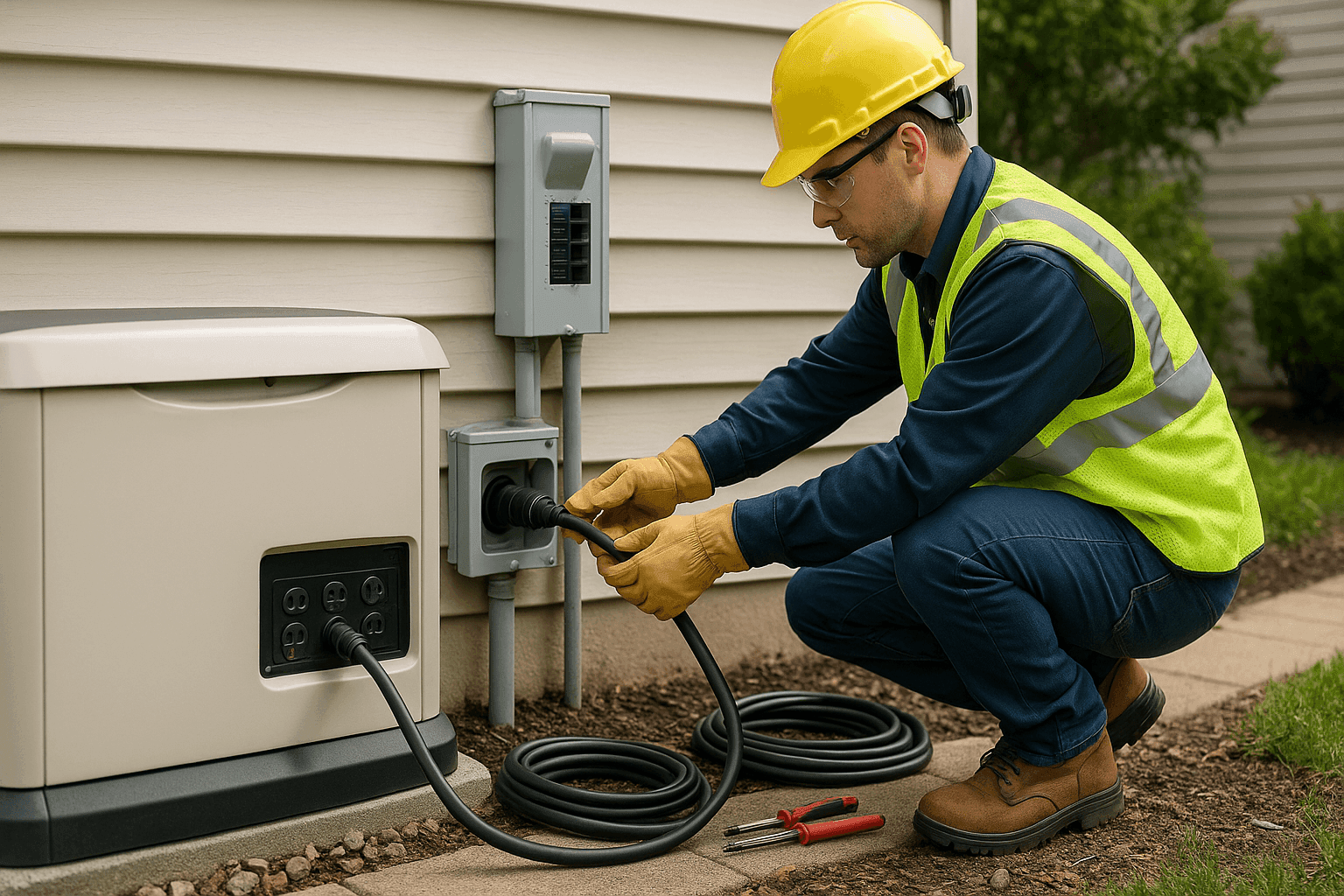
When the lights go out, everything changes. Sudden storms and power outages can turn a cozy evening into a scramble for flashlights and candles. For families, losing power is more than an inconvenience—it can mean spoiled food, lost work, and safety concerns. That’s why more homeowners are searching for “Backup Generators near you,” wanting peace of mind and reliable power.
At Nancy Spiller Electrical, we get it. You want solutions that work, keep your family safe, and don’t come with nasty surprises. Let’s break down how to choose the right backup generator for your home, so you can feel ready—no matter what the weather brings.
Why a Backup Generator Matters
Think of a backup generator as your home’s safety net. When the grid fails, it jumps in—keeping your fridge cold, your lights on, and your family connected. Especially in areas prone to storms or rolling blackouts, backup power protects daily routines and helps avoid costly disruptions.
A generator isn’t just about convenience. For some, it’s about health and safety. Keeping medical equipment running, sump pumps humming, or home security systems online can make all the difference. It’s a layer of security no family wants to be without.
Portable vs. Standby Generators: What’s Best for You?
Here’s where many homeowners start scratching their heads. There are two main types:
Portable Generators
- Smaller, movable units
- Lower upfront cost
- Typically power only a few essentials (fridge, some lights, chargers)
- Run on gasoline or propane
- Manual start—requires you to set up and refuel
Standby Generators
- Permanent installation outside your home
- Higher cost, but automatic—kicks in within seconds of an outage
- Can power most or all of your home
- Usually runs on natural gas or propane, tapping directly into your supply
- Needs professional electrician installation for code compliance
Which is best? Portable units are like a spare tire—good in a pinch, but limited. Standby generators are like a seatbelt—always there, always ready. For most families, especially in outage-prone areas, standby generators offer the safest, most reliable solution.
Calculating Your Home’s Power Needs ⚡
Before you buy, you need to know: How much power do you actually use? Overestimating means spending more than you need. Underestimating can leave you in the dark.
Here’s a quick way to gauge your needs:
- Make a list of must-have appliances (fridge, heat/AC, lights, medical devices)
- Check their wattage (found on the appliance or in the manual)
- Add them up for total running watts
- Include starting watts for things like refrigerators or pumps, which spike when first turned on
The U.S. Department of Energy and National Fire Protection Association (NFPA) recommend consulting with a licensed electrician to avoid overloading circuits and to comply with local codes.
Safety First: Don’t Skip These Steps
Backup generators are powerful—but only if used safely. Here’s a checklist to keep your family and home protected:
- Never run a generator indoors or in a garage (carbon monoxide hazard)
- Always use outdoor-rated cords and keep them dry
- Install carbon monoxide detectors near sleeping areas
- Keep generators at least 20 feet from doors and windows
- Use a transfer switch for standby units (prevents “backfeeding” into the grid)
- Regularly test and maintain your generator
Always check local codes. The National Electrical Code (NEC) sets standards for safe generator installation. Permits aren’t just paperwork—they’re your protection.
Should You DIY or Call an Electrician?
It’s tempting to try a DIY install. But here’s the truth: Generator wiring isn’t like changing a light bulb. Mistakes can lead to fire, shock, or damage to expensive appliances.
Professional electricians, like those at Nancy Spiller Electrical, are trained to:
- Size and select the right generator for your needs
- Install transfer switches and upgrade panels if needed
- Ensure full code compliance
- Handle permits and inspections
- Test everything before they leave
DIY wiring can void warranties—and more importantly, put your family at risk. For whole-home standby units, always call a licensed electrician. For portable units, follow the manufacturer’s safety instructions to the letter.
What Happens When Pros Arrive
Ever wonder what electricians actually do when installing “Backup Generators near you”? Here’s the step-by-step:
- Assessment: Walk through your home, review your power needs, and inspect your existing electrical system.
- Recommendation: Suggest the right generator size and type. No guesswork—just facts.
- Permitting: Handle all required permits and schedule inspections, so you’re safe and legal.
- Installation: Set up the generator outside your home, install transfer switches, and connect everything securely.
- Testing: Simulate an outage to make sure everything works as it should.
- Training: Show you how to operate and maintain your generator.
It’s about more than plugging in a machine. It’s about designing a system that keeps your home safe and comfortable, no matter what.
Prevention & Maintenance Tips
A generator is like a car—it needs regular care to run well. Here’s how to keep yours ready for action:
- Run your generator monthly for 15–20 minutes
- Check oil and fluid levels
- Replace filters as recommended by the manufacturer
- Clear debris from around the unit
- Keep fuel fresh (for portable units)
- Schedule annual professional maintenance
Following the manufacturer’s manual and guidelines from the Electrical Safety Foundation International (ESFI) helps spot small issues before they become big problems.
Cost and Time: What to Expect
The cost of a backup generator depends on:
- Type (portable vs. standby)
- Size and power capacity
- Installation complexity (electrical panel upgrades, permits, gas lines)
Portable generators may be up and running in a day. Standby generators take longer—often a week or more for site prep, permits, and installation.
Remember, professional installation is an investment in safety. Cutting corners can cost you more down the line.
What To Do When It’s an Emergency
Storm rolling in? Power already out? Here’s what to do:
- Use extension cords for portable generators safely—keep them outside
- Never plug a generator directly into a wall outlet (danger of backfeeding)
- Call an emergency electrician for help with failed generators or issues
- If you smell gas or see sparks, shut everything down and get professional help immediately
Nancy Spiller Electrical offers 24 hour service for emergencies, so you’re never left in the dark.
FAQ: Common Generator Questions
How long do standby generators last?
With yearly maintenance, most standby units last 10–15 years. Some go even longer with care.
Do I need a permit to install a generator?
Yes. Most local codes require permits and inspections for standby generators. This ensures your system is safe and meets all regulations.
Can I plug my generator into any outlet?
No. Plugging a generator into a home outlet can cause dangerous backfeeding. Always use a transfer switch installed by a professional electrician.
What size generator do I need?
It depends on what you want to power. A licensed electrician will help you calculate the right wattage for your needs.
Local & Seasonal Considerations 🌦️
If your area is known for ice storms, hurricanes, or frequent outages, you may need a larger standby generator. In coastal or flood-prone regions, elevated installations and weatherproofing matter. Discuss seasonal needs with your electrician—they’ll factor in your home’s unique risks.
The Bottom Line
Choosing the right backup generator isn’t just about buying a machine. It’s about protecting your home, your family, and your peace of mind. With the right planning—and the right electrician—you can weather any storm with confidence.
Call Nancy Spiller Electrical now — or reach us anytime at 888-896-1684 .