Smart Home Electrical Upgrades: What Every Homeowner Should Know
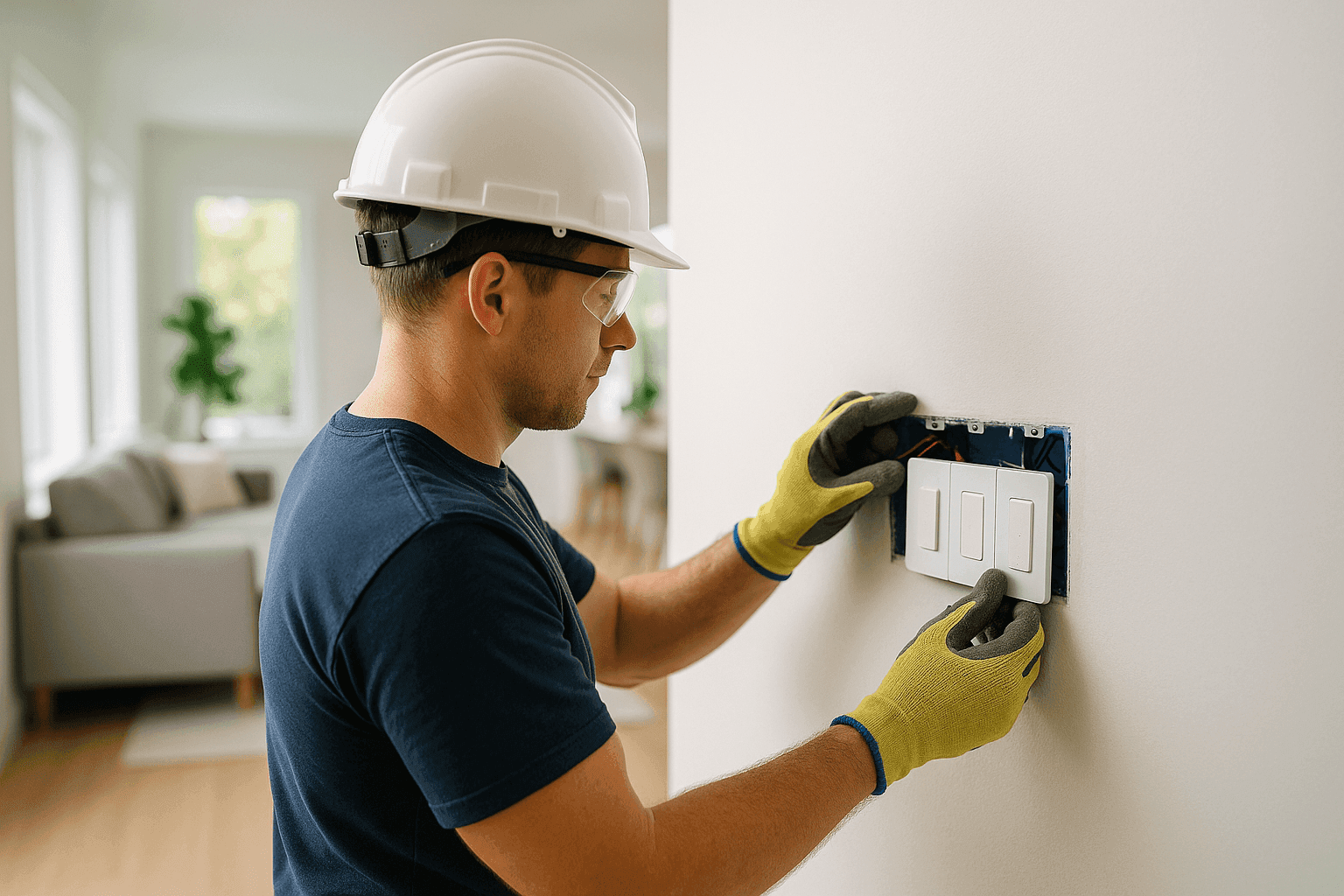
Is your home ready for the future? Smart home upgrades are more than just a trend—they’re fast becoming essential for safety, comfort, and peace of mind. But before you plug in that shiny new voice assistant or wire up security cameras, it’s important to understand what’s going on behind your walls.
At Nancy Spiller Electrical, we see firsthand how smart technology can transform daily life. We also see the risks when electrical upgrades aren’t done right. Whether you’re eyeing energy-saving lighting, home automation, or a backup generator near you, smart planning keeps your home safe and future-proof.
Why Smart Home Electrical Upgrades Matter
Let’s face it: today’s homes are doing more than ever. Lights, locks, cameras, EV chargers, appliances—sometimes all at once. Each device is a new passenger climbing aboard your home’s electrical “bus.” Without the right upgrades, that bus gets crowded. Overloaded circuits, flickering lights, or tripped breakers can follow. Even worse, outdated wiring can pose fire hazards.
Smart home upgrades aren’t just about gadgets. They require a backbone—safe, modern wiring, reliable panels, and circuits built for today’s demands. A skilled electrician ensures that backbone is strong.
The Core of Smart Homes: What’s Involved?
Smart homes run on a blend of clever devices and solid electrical work. Here are the basics:
- Smart Lighting: Automated, dimmable, and voice-controlled lights need smart switches and sometimes new wiring.
- Security & Safety: Cameras, alarms, smoke and carbon monoxide detectors, and intercoms often require dedicated circuits or power-over-ethernet.
- Automation Hubs: Central brains like smart speakers, thermostats, and automation hubs rely on stable power and sometimes data cabling.
- Energy Monitoring: Devices that track your usage (and can help you save money) sometimes need their own wiring or low-voltage systems.
- EV Chargers and Backup Generators: These draw heavy power and must be safely integrated into your panel.
Upgrading isn’t plug-and-play. It’s closer to remodeling a kitchen than swapping a bulb.
Quick Safety Checklist for Smart Home Upgrades ⚡
Before diving into smart tech, run through this list:
- Is your electrical panel up to date and labeled?
- Do you have enough dedicated circuits for new devices?
- Is your wiring modern (and free of visible damage or old cloth insulation)?
- Have you considered surge protection for sensitive electronics?
- Are all outlets and switches safe, grounded, and tamper-resistant?
- Do your smoke and carbon monoxide detectors meet current safety codes (see resources from the National Fire Protection Association)?
If you’re unsure, a licensed electrician can help answer these questions.
DIY or Call a Pro? Where to Draw the Line
Some smart home upgrades look easy. Installing a Wi-Fi lightbulb? Sure. Replacing a regular switch with a smart one? Maybe. Wiring a new circuit, upgrading your breaker panel, or integrating a backup generator? That’s another story.
Think of DIY like painting a room—great for touch-ups, risky for rewiring the plumbing. Here’s when to call in an electrician:
- If you’re adding or moving outlets and switches.
- When installing anything that connects to your electrical panel.
- For EV chargers, pool or spa electrics, or high-voltage equipment.
- If you see buzzing, flickering, or tripping circuits.
- When in doubt—electrical work is unforgiving, and mistakes can be costly.
What Electricians Do on Arrival
When you call Nancy Spiller Electrical, here’s what to expect:
- Assessment: We inspect your current wiring, panel, and device compatibility.
- Plan: We work with you to decide which circuits, outlets, or upgrades make sense.
- Installation: We safely install smart switches, outlets, surge protection, and any needed cabling or breakers.
- Testing: We check every connection and run safety tests, in line with the National Electrical Code (NEC).
- Documentation: You’ll get explanations of what was done, and, if needed, an electrical safety certificate.
Prevention and Maintenance Tips
Smart homes need a little TLC to stay, well, smart:
- Schedule regular electrical safety inspections (recommended every 3–5 years, or after major upgrades).
- Test smoke and carbon monoxide detectors monthly.
- Review your surge protection annually—modern electronics are sensitive!
- Keep your electrical panel accessible, labeled, and free of clutter.
- Plan ahead for future devices—leave room on your panel and circuits for what’s next.
Costs & Time Factors
Every home is unique. Some upgrades are quick, like swapping out a few outlets. Others—like adding a dedicated circuit for an EV charger or rewiring for whole-home automation—take more time and planning.
- Time: Simple installs may take an hour or two. Panel upgrades or rewiring could span a day or more.
- Cost: Factors include the number of devices, home age, accessibility, and the complexity of your electrical system. Think of it as investing in safety, comfort, and home value.
Remember: Cutting corners on electrical work is like skipping the foundation on a house. It might look fine, but problems can show up later.
When It’s an Emergency
Sometimes, smart home upgrades turn urgent. If you smell burning, see sparks, lose power to essential devices (like medical equipment or safety systems), or your panel is overheating—call a licensed electrician immediately. Our 24-hour service means help is always available.
Smart Home FAQ
Are smart switches and outlets compatible with old wiring?
Not always. Some smart devices need a neutral wire or a modern ground. Many older homes lack these, so upgrades may be needed.
Will my system work during a power outage?
Most smart devices need electricity and internet. Consider backup generators near you for critical systems like security, lighting, and medical devices.
Can too many gadgets overload my wiring?
Yes. Each device draws power, and older circuits may not handle the load. Overloading can trip breakers or cause dangerous overheating.
Is it worth upgrading my panel for smart devices?
If your panel is more than 20 years old, or if you’re adding multiple high-draw devices (like EV chargers or backup generators), upgrading is wise. It improves safety, supports new tech, and can boost home value.
Local and Seasonal Considerations 🌧️
Depending on your location, weather and power reliability matter. Backup generators, surge protection, and weatherproof outlets are smart for areas with storms or outages. Pools and spas need special wiring and safety checks. Ask your electrician about local codes—they vary by region and climate.
The Bottom Line: Plan Smart, Live Safer
Smart homes bring comfort and convenience, but only when the wiring behind the scenes is up to the task. Upgrades are more than just a quick fix—they’re an investment in a safer, more efficient home.
Ready to take the next step? Whether you’re planning a few smart switches or a full automation overhaul, Nancy Spiller Electrical is here to help you power up, safely and confidently.
Call Nancy Spiller Electrical now — or reach us anytime at 888-896-1684 .